Transforming a home is one of the most rewarding projects a homeowner can undertake. Whether the goal is improving comfort, increasing property value, or simply refreshing outdated spaces, thoughtful renovations can dramatically improve how a home looks and functions. The process often begins with identifying which areas need the most attention and determining how improvements can better support everyday life.
Planning a Successful Home Transformation

Evaluating Your Home’s Current Needs
Before beginning a renovation project, it is important to carefully assess how your home functions today. Many homeowners discover that certain spaces no longer support their lifestyle as effectively as they once did. Kitchens may feel crowded, storage may be limited, or outdoor spaces may be underutilized.
Conducting a thorough evaluation of each area of the home helps identify where improvements will have the greatest impact. Consider how frequently each space is used and whether the layout supports daily activities. A clear understanding of these needs makes it easier to prioritize renovation projects.
Creating a Realistic Renovation Budget
Budget planning plays a major role in determining the scope of any renovation project. Without a well-defined financial plan, costs can quickly expand beyond expectations.
A typical renovation budget often includes several categories:
• Materials and fixtures
• Labor and installation
• Design services
• Permits and inspections
• A contingency fund for unexpected expenses
Identifying High-Impact Improvements
Some renovations provide greater value than others. Kitchens and bathrooms are commonly considered among the most impactful improvements because they influence both functionality and resale value.
For example, homeowners often begin with a local kitchen remodel to update outdated layouts, improve storage capacity, and modernize appliances. Because the kitchen is frequently the most active room in the home, improvements here can significantly enhance daily living.
Consulting With Design Experts
Professional design guidance can simplify many aspects of the renovation process. Experts can help homeowners evaluate layout possibilities, recommend materials, and create visual plans before construction begins.
Working with experienced cabinet designers allows homeowners to explore storage solutions, cabinet styles, and layout improvements that maximize both function and visual appeal.
Upgrading the Kitchen for Style and Efficiency
Improving the Kitchen Layout
A well-designed kitchen layout improves workflow and allows multiple people to use the space comfortably. Many older kitchens lack sufficient counter space or efficient traffic flow, which can make cooking and entertaining more difficult.
Popular layout improvements include:
• Expanding counter space
• Adding an island or breakfast bar
• Improving lighting
• Increasing storage capacity
Selecting High-Quality Cabinetry
Cabinetry plays a major role in defining both the appearance and functionality of a kitchen. Modern cabinets often incorporate advanced storage features such as pull-out shelves, deep drawers, and built-in organizers.
Homeowners frequently work with a kitchen cabinet company to explore cabinet designs that complement the overall style of the home while maximizing storage.
Choosing Durable Counter Surfaces
Kitchen surfaces must withstand daily use, heat, and spills. Durable materials not only improve functionality but also contribute to the visual character of the space.
Many homeowners choose a granite countertop because it offers excellent durability, heat resistance, and timeless beauty. Natural stone surfaces also provide unique patterns that make each kitchen design distinctive.
Ensuring Professional Installation
Installing countertops requires precision and specialized tools. Proper countertop installation ensures that surfaces fit securely, remain level, and integrate seamlessly with cabinetry.
Professional installation also helps prevent problems such as uneven seams, structural stress, or improper support that could affect the longevity of the countertop.
Enhancing Bathroom Design and Comfort
Updating Fixtures and Features
Bathroom upgrades often focus on improving both functionality and aesthetics. Replacing outdated fixtures, improving lighting, and updating surfaces can create a more comfortable and visually appealing environment.
Modern fixtures such as rainfall showerheads, floating vanities, and efficient ventilation systems can greatly enhance everyday convenience.
Creating a Spa-Like Environment
Many homeowners aim to transform their bathrooms into relaxing personal retreats. A spa-inspired design can be achieved through calming color palettes, soft lighting, and minimalistic design elements.
Natural textures, neutral tones, and thoughtful lighting can help create a peaceful atmosphere that encourages relaxation.
Improving Shower Enclosures
Shower design has evolved significantly in modern bathroom renovations. Frameless glass enclosures have become particularly popular because they create a clean, open appearance that makes bathrooms feel larger.
Many homeowners rely on shower glass services to install custom glass panels that provide both durability and a sleek, modern aesthetic.
Selecting Durable Bathroom Materials
Bathrooms require materials that can withstand moisture, humidity, and frequent cleaning. Choosing high-quality tiles, sealed surfaces, and water-resistant materials ensures long-term durability.
Investing in reliable materials can reduce maintenance needs and extend the lifespan of bathroom improvements.
Expanding Outdoor Living Opportunities

Designing Outdoor Cooking Areas
Outdoor cooking spaces have become increasingly popular among homeowners who enjoy entertaining guests. These spaces allow meals to be prepared outdoors while keeping the main kitchen free for other activities.
Many homeowners partner with an outdoor kitchen company to design cooking areas that include grills, prep surfaces, storage cabinets, and even small refrigerators.
Creating Functional Patios
A patio can serve as the foundation of an outdoor living space. It provides a comfortable area for seating, dining, and relaxing with family or guests.
Professional patio contractors often design patios that include seating areas, fire features, walkways, and decorative lighting to enhance usability and comfort.
Selecting Durable Outdoor Materials
Outdoor surfaces must withstand weather exposure, temperature fluctuations, and frequent use. Durable materials such as stone, concrete, and composite decking are often chosen for their resilience.
Choosing weather-resistant materials helps ensure that outdoor spaces remain attractive and functional over time.
Designing Spaces for Entertaining
Outdoor areas can significantly expand the usable living space of a home. With thoughtful planning, homeowners can create outdoor environments that support gatherings, family activities, and quiet relaxation.
Common outdoor entertainment features include:
• Dining areas
• Lounge seating
• Outdoor lighting
• Fire pits or fireplaces
Improving Landscaping and Curb Appeal
Developing a Cohesive Landscape Plan
Landscaping plays a major role in shaping a home’s first impression. A thoughtfully designed landscape can highlight architectural features, create visual balance, and enhance the overall atmosphere of the property.
Combining greenery, pathways, lighting, and hardscape features helps create a cohesive outdoor design.
Working With Landscape Professionals
Many homeowners collaborate with a landscaping contractor to plan outdoor improvements that complement the home’s architecture and environment.
Landscape professionals understand soil conditions, plant selection, irrigation systems, and long-term maintenance strategies that keep outdoor spaces healthy and attractive.
Adding Durable Hardscape Surfaces
Hardscape elements such as walkways, seating areas, and patios help structure outdoor environments while improving usability.
One popular option is installing a concrete patio, which provides a durable and versatile surface suitable for outdoor dining, gatherings, or relaxing with family.
Maintaining Long-Term Exterior Beauty
Maintaining landscaping is essential for preserving curb appeal. Regular care ensures that plants remain healthy and outdoor features continue to look their best.
Important landscaping maintenance tasks may include:
• Seasonal pruning
• Lawn care and irrigation adjustments
• Cleaning outdoor surfaces
• Maintaining garden beds and pathways
Consistent upkeep protects the investment made in landscaping and keeps the property looking welcoming year-round.
Choosing Materials That Balance Beauty and Durability
Understanding Material Performance
Selecting the right materials is one of the most important decisions in any home renovation. Every surface in a house experiences daily use, environmental exposure, and general wear over time. Kitchens and bathrooms, in particular, require materials that can withstand moisture, heat, and frequent cleaning while still maintaining their appearance.
When choosing materials, homeowners should evaluate factors such as durability, resistance to stains or scratches, and how well a material performs under long-term use. High-quality materials may require a higher upfront investment, but they often last significantly longer and require less maintenance.
Matching Materials to Your Design Vision
Materials play a major role in defining the style of a home. The finishes chosen for cabinets, countertops, flooring, and fixtures should work together to create a cohesive appearance. Neutral color palettes, natural textures, and consistent finishes help create a balanced environment that feels both modern and timeless.
Homeowners often find that coordinating materials across different rooms helps the home feel more connected. For example, using similar tones of stone, wood, or metal throughout the house can tie interior spaces together visually.
Considering Maintenance Requirements
Before selecting materials, homeowners should consider how much maintenance each option requires. Some materials need regular sealing or special cleaning products, while others are designed to be low-maintenance.
Balancing Cost and Longevity
While budget considerations are important, choosing the least expensive option is not always the best long-term decision. Materials that are slightly more expensive may last many years longer than cheaper alternatives.
When evaluating materials, homeowners should consider the overall lifespan of the product, potential repair costs, and how the material will perform over time. Investing in durable surfaces can ultimately save money while maintaining the home’s appearance.
Creating Functional Storage Solutions
Maximizing Kitchen Organization
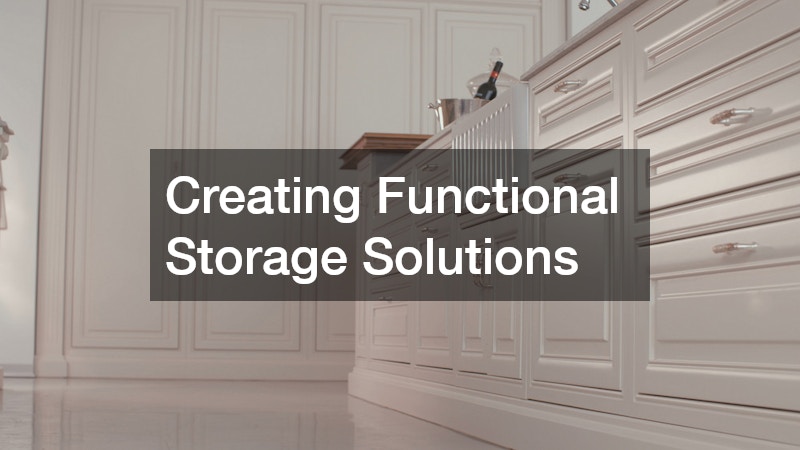
Efficient storage is essential for maintaining an organized home. Kitchens especially benefit from well-planned storage systems that keep cookware, utensils, and pantry items easily accessible.
Modern cabinetry designs allow homeowners to store items in more efficient ways. Pull-out shelves, drawer dividers, and vertical storage areas help maximize available space while keeping the kitchen tidy.
Integrating Custom Cabinet Features
Customized cabinetry can dramatically improve the functionality of a kitchen. Many homeowners work with cabinet designers to develop layouts that reflect their cooking habits and storage needs.
Features such as pull-out pantry systems, hidden recycling bins, and adjustable shelving allow homeowners to tailor their kitchen storage to their lifestyle. These upgrades improve convenience while maintaining a clean, streamlined appearance.
Organizing Bathrooms and Utility Spaces
Bathrooms and laundry areas also benefit from thoughtful storage planning. Built-in shelves, medicine cabinets, and vanity drawers can help reduce clutter while keeping essential items within reach.
Small design improvements, such as recessed shelving or vertical storage towers, can significantly improve the organization of compact spaces.
Maintaining a Clutter-Free Home
Keeping a home organized requires more than just installing storage systems. Establishing habits that encourage consistent organization helps maintain a tidy environment.
Homeowners can reduce clutter by:
• Regularly decluttering unused items
• Assigning designated storage areas for everyday objects
• Using organizers for drawers and cabinets
• Storing seasonal items in separate areas
Improving Energy Efficiency and Sustainability
Upgrading Windows and Insulation
Energy efficiency is an important consideration for many homeowners undertaking renovation projects. Improving insulation and replacing older windows can significantly reduce heating and cooling costs.
Modern energy-efficient windows help maintain indoor temperatures by reducing heat transfer. Improved insulation also helps stabilize indoor climate conditions, making homes more comfortable year-round.
Installing Efficient Appliances
Household appliances account for a significant portion of residential energy consumption. Replacing outdated appliances with energy-efficient models can reduce electricity usage while improving overall performance.
Many modern appliances include advanced technology that helps optimize energy consumption, conserve water, and improve convenience through smart controls.
Using Environmentally Friendly Materials
Sustainable materials are becoming increasingly popular in modern renovations. Options such as recycled wood products, low-VOC paints, and environmentally friendly insulation materials help reduce the environmental impact of construction.
These materials often contribute to better indoor air quality while maintaining strong durability and performance.
Reducing Long-Term Environmental Impact
Energy-efficient improvements benefit both homeowners and the environment. Reducing energy consumption lowers utility costs while minimizing environmental impact.
Homeowners who prioritize sustainability often find that eco-friendly upgrades also increase property appeal, especially as buyers become more interested in energy-efficient homes.
Enhancing Outdoor Entertainment Areas
Designing Comfortable Gathering Spaces
Outdoor areas can become valuable extensions of indoor living spaces when designed thoughtfully. Comfortable seating areas, shaded lounges, and outdoor lighting can turn a backyard into an inviting environment for relaxation and social gatherings.
Arranging seating to encourage conversation helps create a welcoming atmosphere where friends and family can spend time together comfortably.
Expanding Outdoor Cooking Capabilities
Cooking outdoors has become increasingly popular, particularly for homeowners who enjoy hosting gatherings. Preparing meals outside keeps indoor spaces cooler and allows hosts to remain engaged with guests.
Many homeowners collaborate with an outdoor kitchen company to design spaces that include grills, storage cabinets, refrigeration, and food preparation surfaces. These features create a fully functional cooking environment outdoors.
Improving Patio Layout and Structure
Patios form the foundation of many outdoor entertainment spaces. A well-designed patio can support dining areas, lounge seating, and decorative features such as fire pits.
Experienced patio contractors can help ensure patios are properly designed with durable materials, adequate drainage, and layouts that complement the home’s architecture.
Blending Hardscape and Landscaping
Successful outdoor design often combines hard surfaces with natural landscaping elements. Stone pathways, seating areas, and garden beds can work together to create a visually balanced environment.
Working with a landscaping contractor can help homeowners plan how plants, lighting, and hardscape features interact with each other to create a cohesive outdoor setting.
Increasing Property Value Through Smart Renovations
Prioritizing Improvements That Add Value
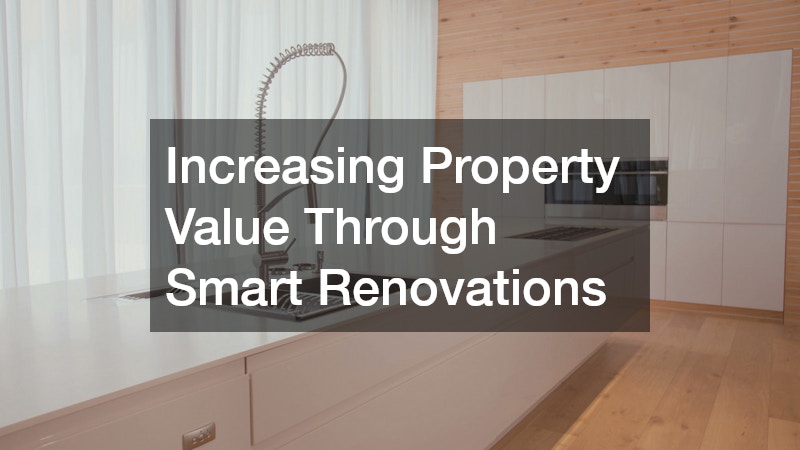
Some renovation projects offer greater financial returns than others. Improvements to kitchens, bathrooms, and outdoor living areas are often among the most valuable when it comes to increasing property appeal.
These spaces play a major role in how potential buyers evaluate a home, making them strong candidates for strategic upgrades.
Maintaining Consistent Design Quality
Consistency in design helps a home feel polished and professionally planned. When materials, finishes, and colors complement each other throughout the house, the overall appearance feels cohesive and intentional.
Maintaining a unified style across multiple rooms helps renovations feel connected rather than fragmented.
Avoiding Over-Improvement
While upgrading a home can increase its value, it is also important to consider the standards of the surrounding neighborhood. Excessively expensive renovations may not always provide a full return on investment if they exceed what buyers expect in the area.
Homeowners should evaluate comparable properties to ensure that renovations remain aligned with local market expectations.
Preparing for Long-Term Ownership
Many homeowners renovate not only to increase resale value but also to improve their daily living experience. Creating functional, comfortable spaces can enhance quality of life while ensuring the home continues to meet evolving needs.
Transforming a home inside and out requires careful planning, thoughtful design decisions, and a focus on long-term functionality. By identifying key areas for improvement and selecting materials that balance durability with aesthetic appeal, homeowners can create spaces that truly enhance everyday living.