When prospective buyers pull up to a house, their initial impression is formed within seconds. While interior remodeling projects like custom kitchens and spa-like bathrooms garner significant attention in real estate listings, the exterior of a home dictates its primary visual narrative. The roof often accounts for up to forty percent of a home’s visible exterior elevation. A worn, faded, or visibly sagging roof instantly creates doubts about the overall structural integrity of the property, whereas a crisp, modern roof overhaul transforms the entire street appearance of a residence overnight.
Beyond mere aesthetics, investing in a new roof is one of the most effective ways to preserve and enhance your home’s financial equity. Real estate appraisers, mortgage underwriters, and home inspectors evaluate roof condition with meticulous scrutiny. A brand-new roof removes a major hurdle during buyer negotiations, eliminating fears of unexpected capital expenses immediately after closing. By understanding how roofing materials, architectural color choices, and professional installation impact property appraisal, homeowners can leverage a roof replacement project into an exceptional return on investment.
Transforming Exterior Aesthetics and Architectural Harmony

Coordinate Roof Colors with Exterior Siding and Trim
Selecting the right roof color is a critical design choice that ties together a home’s complete exterior palette. The goal is to establish architectural harmony between the roofing system, siding materials, masonry accents, and trim details. Rather than treating the roof as a separate utilitarian component, modern exterior design principles treat it as an essential visual anchor that balances the entire residential facade.
To achieve maximum aesthetic impact, keep these architectural color principles in mind:
- Complementary Tones over Exact Matches: Pair cool grey or slate roofing materials with white, blue, or charcoal siding. Conversely, warm beige, tan, or brick exteriors blend seamlessly with warm brown, weatherwood, or bronze tones.
- Creating Visual Depth with Architectural Shingles: Unlike flat, traditional three-tab shingles, dimensional architectural shingles feature varied granule shading and offset tabs that cast subtle shadows across the roof plane.
- Factoring in Regional Sunlight and Pitch: A roof with a steep pitch showcases significantly more material surface from the street, making color selection even more noticeable under natural sunlight.
- Consulting Professional Tradespeople: Working alongside an experienced roofer allows you to review physical material swatches under natural outdoor lighting rather than relying entirely on digital catalog samples.
Elevate Neighborhood Standing with Modern Roofing Profiles
Outdated roofing styles can make an otherwise charming house look tired and neglected. Upgrading from basic asphalt materials to premium architectural profiles, metal standing seams, or composite slate immediately elevates a property’s standing within its neighborhood. A well-designed roof profile draws the eye upward, highlighting gables, dormers, and complex rooflines that might otherwise go unnoticed.
Investing in a comprehensive exterior overhaul involves more than just swapping out surface shingles. Partnering with a full-service roofing service ensures that secondary architectural elements—such as ridge vents, aluminum drip edges, rake trims, and seamless gutter systems—are installed with matching color schemes. This cohesive attention to detail signals quality craftsmanship to everyone who views the property from the curb.
Calculating Resale Value, Appraisal ROI, and Buyer Negotiation
Quantify Return on Investment During Property Appraisal
When preparing to sell a home, every renovation project must be weighed against its potential financial return upon resale. Remodeling data consistently demonstrates that exterior replacement projects yield higher cost recovery percentages than many interior cosmetic upgrades. A new roof directly protects the underlying structure, making it a high-value item on official appraisal reports.
Understanding how appraisers evaluate roof condition helps clarify its financial impact:
- Direct Appraisal Adjustments: Appraisers adjust a home’s estimated market value based on the effective age and remaining useful life of its primary building systems.
- Eliminating Condition Flags: An aging roof near the end of its lifespan can trigger negative valuation adjustments or require mandatory escrow holdbacks prior to loan approval.
- Selecting Qualified Local Installers: Hiring a licensed local roofer ensures that all work adheres strictly to regional building codes and wind-resistance standards, providing verifiable documentation for appraiser files.
- Maximizing Marketability: Properties featuring pristine, recently updated building envelopes systematically attract higher initial purchase offers and experience fewer days on the market.
Streamline Buyer Inspections and Prevent Price Renegotiations
One of the most dangerous phases in any real estate transaction is the buyer’s home inspection period. Inspection reports that highlight missing shingles, soft roof decking, or dry-rotted flashing often lead to abrupt buyer demands for massive price reductions or seller credits. In worst-case scenarios, skittish buyers cancel purchase agreements entirely.
By proactively replacing an aging roof before listing your home, you neutralize potential inspection roadblocks before they arise. Partnering with an established roofing company that offers transferable manufacturer warranties gives buyers immense confidence. Knowing that their investment is backed by decades of storm and material coverage reassures buyers that their ongoing maintenance costs will remain low for years to come.
Material Selection & Architectural Modernization Strategies

Boost Modern Curb Appeal with Standing Seam Metal and Premium Materials
For homeowners seeking a bold, modern aesthetic, alternative roofing materials offer distinct visual and functional advantages over traditional asphalt. Standing seam metal roofs have grown dramatically in popularity across modern farmhouse, contemporary, and coastal architectural styles. The vertical, interlocking metal panels create clean, crisp shadow lines that accentuate sleek home designs.
Consider the primary performance and aesthetic benefits of modern metal systems:
- Unmatched Longevity: High-grade metal roofing systems routinely last fifty years or more, easily outlasting standard asphalt alternatives.
- Distinctive Architectural Contrast: Completing a custom metal roofing job over accent areas—such as front porches, bay windows, or dormers—creates striking visual contrast when paired with primary shingle sections.
- Cool Roof Energy Efficiency: Reflective factory coatings bounce solar heat away from the home, drastically reducing attic heat buildup and lowering summer cooling costs.
- Extreme Weather Resistance: Interlocking metal panels provide superior protection against high wind uplift, driving rain, heavy snow shedding, and wildfire embers.
Address Low-Slope and Flat Roof Sections Elegantly
Many residential properties feature low-slope or flat architectural elements, such as modern room additions, covered rear patios, or second-story balconies. Standard asphalt shingles are not designed for flat surfaces where water can collect. Leaving these sections unaddressed or relying on outdated roll-roofing compromises both curb appeal and waterproofing integrity.
Modern low-slope roofing technology allows homeowners to protect flat roof sections without sacrificing design quality. Experienced membrane roofing companies specialize in installing seamless thermoplastic polyolefin (TPO) or ethylene propylene diene monomer (EPDM) membranes that provide watertight protection. Matching custom edge metals and parapet caps to the primary roof color ensures that low-slope additions integrate smoothly into the main house design.
Strategic Repairs vs. Full Replacement for Maximum Market Value
Determine When Patchwork Harms Curb Appeal
When budget constraints arise, homeowners often consider spot repairs rather than a complete roof replacement. While localized repairs are appropriate for isolated storm damage on a relatively new roof, executing piecemeal repairs on an aging roof can severely undermine curb appeal. Shingle colors fade over time due to ultraviolet light exposure, making newly installed patch shingles stand out as mismatched spots across the roof deck.
Evaluating whether to repair or replace requires an honest assessment of overall roof condition:
- Visual Mismatches: Mismatched shingle dye lots and fresh patch areas signal to potential buyers that the roof has experienced prior leaks or storm damage.
- Decking Integrity: Widespread granular loss, curling shingle edges, and soft spots indicate systemic material failure that localized patchwork cannot resolve.
- Comparative Cost Recovery: Spending thousands of dollars on temporary patchwork yields zero increase in property value, whereas investing in a full replacement yields measurable equity gains.
- Evaluating Scope: Seeking guidance on minor isolated damage through a targeted roofing repair can address immediate leaks while you plan for a comprehensive future replacement.
Address Minor Flashing and Ventilation Flaws Before Listing
If a roof is structurally sound and relatively young, targeted maintenance can refresh its appearance and ensure it passes inspection. Replacing rusted step flashing, repainting exposed vent pipes, and repairing damaged valley metals removes unsightly rust streaks and prevents water intrusion around chimneys and dormers.
Equally important is ensuring proper attic ventilation mechanics. Booking a comprehensive professional roof repair before putting your home on the market allows technicians to verify that soffit intake vents and ridge exhaust vents operate correctly. Adequate airflow prevents attic heat buildup, eliminates winter ice dam formation, and preserves the structural life of the roof deck.
Managing Job-Site Logistics, Safety, and Cleanliness
Protect Landscaping and Driveways During Construction
A successful roofing project involves more than just tearing off old materials and nailing down new shingles; it requires rigorous property protection and job-site organization. The tear-off phase generates thousands of pounds of heavy, nail-embedded waste that can damage delicate flower beds, shrubbery, and concrete driveways if handled carelessly.
Professional installation teams utilize specialized equipment to protect your home’s perimeter:
- Driveway Protection Boards: Placing thick wooden planks under heavy waste containers prevents cracking or scratching decorative concrete and asphalt driveways.
- Targeted Waste Collection: Strategically positioning roll-off roofing dumpsters right alongside the roof eave allows crews to deposit tear-off debris directly into containers without dropping waste onto lawns.
- Tarps and Catch Nets: Hanging heavy-duty tarps from eave lines safeguards window glass, siding, air conditioning units, and surrounding landscaping beds.
- Magnetic Nail Sweeps: Running high-powered magnetic rollers across lawns, walkways, and driveways multiple times during construction catches stray roofing nails before they cause flat tires or injuries.
Ensure Professional Installation and Quality Workmanship
The long-term performance and appearance of a new roof depend entirely on the skill and discipline of the installation crew. Even the highest-grade architectural shingles will fail prematurely if laid down over rotted decking, misaligned along starter courses, or nailed incorrectly.
Homeowners should verify key operational standards when selecting installation teams. Hiring factory-certified, fully insured roofers guarantees that the crew follows strict manufacturer installation specifications, including proper underlayment application, ice-and-water shield placement in valleys, and correct nail pattern depth. Completing a final post-job walkthrough with the site foreman ensures that every ridge cap is straight, all flashing is sealed, and your property is left immaculate.
Maximizing Energy Savings and Environmental Efficiency
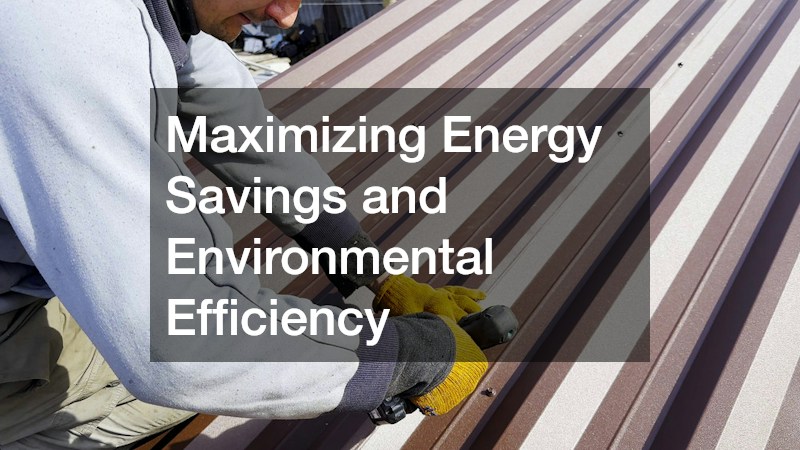
Reduce Utility Costs with Sustainable Building Envelopes
In addition to driving resale value and structural security, a modern roof upgrade plays a transformative role in your home’s overall energy performance and carbon footprint. Modern manufacturing standards incorporate high-reflectivity roof coatings and advanced thermal insulation underlayments that work together to reflect solar radiant heat rather than absorbing it into your living spaces. During hot summer months, a cool roof installation reduces attic temperatures by up to fifty degrees, significantly lessening the workload on your home’s HVAC systems and driving down monthly energy bills. Furthermore, many modern materials are manufactured from recycled content or are fully recyclable at the end of their lifecycle, making eco-friendly roofing an increasingly attractive selling point for environmentally conscious home buyers.
Essential Roof Replacement ROI Checklist
To ensure your new roof maximizes both curb appeal and financial return upon resale, follow this strategic checklist throughout your planning process:
- Architectural Alignment: Select shingle or metal profiles and color tones that complement your home’s siding, trim, and permanent masonry features.
- Contractor Vetting: Verify that your chosen contractor is fully licensed, insured, factory-certified, and capable of offering transferable warranties.
- Material Selection: Weigh the benefits of architectural asphalt shingles versus standing seam metal for accent zones or low-slope membrane systems.
- Attic Ventilation Review: Confirm that intake soffit vents and exhaust ridge vents are properly balanced to maximize energy efficiency and roof lifespan.
- Site Protection Protocols: Ensure the crew utilizes driveway protection, landscape tarps, magnetic nail sweeps, and dedicated debris containers.
- Documentation Gathering: Organize all building permits, inspection certificates, and warranty documents into an easily accessible packet for prospective buyers and appraisers.
A roof replacement is far more than a routine home maintenance task; it is a transformative investment that redefines your property’s exterior aesthetic while safeguarding its structural future. By replacing a tired, weathered roof with modern architectural shingles or crisp metal profiles, you instantly elevate your home’s curb appeal and set a welcoming tone for the entire neighborhood. This immediate visual upgrade pays substantial dividends when it comes time to sell, reassuring prospective buyers, satisfying home inspectors, and supporting strong appraisal valuations.
When planning your roofing project, prioritize quality materials, thoughtful color coordination, and experienced professional installation. A beautifully crafted, properly ventilated, and well-documented roof signals to the market that your home has been cared for with uncompromised pride. Take the initiative today to consult with a qualified local specialist, evaluate your home’s exterior needs, and launch a roof upgrade that will protect and boost your property’s value for decades to come!