Transforming your property doesn’t always require a complete renovation or an enormous budget. Sometimes, making strategic improvements to your home’s exterior, landscaping, and outdoor living areas can dramatically change how your property looks, feels, and functions. Whether you’re hoping to improve curb appeal, create more usable space, or address maintenance concerns, choosing the right projects can make a lasting difference.
Before beginning any project, it’s important to evaluate your property’s current condition, establish realistic goals, and determine which improvements will provide the greatest benefits. The following ten projects offer practical ways to transform your property while improving its functionality, appearance, and long-term value.
Refresh Your Home’s Exterior With Durable, Weather-Resistant Materials

Your home’s exterior creates the first impression visitors and potential buyers receive. Faded, cracked, or damaged siding can make even a well-maintained property appear outdated. Replacing worn materials can dramatically refresh your home’s appearance while providing additional protection against moisture, wind, and changing weather conditions.
Choosing the right siding involves balancing appearance, durability, maintenance requirements, and overall cost. Homeowners should also consider how different materials perform in their local climate.
When planning an exterior upgrade, focus on these important details:
- Compare materials: Vinyl, fiber cement, engineered wood, and traditional wood offer different advantages regarding durability, maintenance, and appearance.
- Coordinate colors: Select siding colors that complement your roofing, trim, windows, and surrounding landscaping.
- Inspect existing damage: Address moisture intrusion, rotting wood, or structural deterioration before covering exterior walls.
- Consider maintenance: Choose materials that fit your budget and willingness to perform regular upkeep.
Investing in professional siding installation helps ensure materials are properly secured and that flashing and moisture-control details are handled correctly.
Protect Your Property by Repairing or Replacing an Aging Roof
A reliable roof is essential for protecting your home from rain, wind, snow, and other environmental conditions. Unfortunately, roofing problems often develop gradually, allowing moisture damage to spread before homeowners notice visible warning signs.
Regular inspections and timely repairs can help prevent minor roofing issues from becoming expensive structural problems. Homeowners should pay particular attention after severe storms or when roofing materials begin approaching the end of their expected lifespan.
Watch for these common signs of roof deterioration:
- Missing or damaged shingles: Cracked, curling, or displaced shingles may expose underlying materials to moisture.
- Water stains: Discoloration on ceilings or walls can indicate leaks requiring investigation.
- Damaged flashing: Openings around chimneys, vents, and roof intersections can allow water intrusion.
- Excessive granule loss: Significant granule accumulation in gutters may indicate aging asphalt shingles.
Experienced local roofing contractors can inspect the roof and determine whether targeted repairs or a complete replacement would be more appropriate.
When comparing replacement materials, consider expected lifespan, installation costs, ventilation requirements, and warranty coverage.
Redesign Your Yard With Landscaping That Adds Beauty and Function
A well-designed landscape can completely change how your property looks and feels. Overgrown shrubs, uneven planting beds, and poorly organized outdoor spaces can make a yard appear neglected, even when the home itself is attractive.
Thoughtful landscaping creates visual balance while making outdoor areas more functional. Rather than simply adding plants, homeowners should consider how different elements work together to create an organized, welcoming environment.
Start with these practical landscaping improvements:
- Create defined spaces: Use planting beds, pathways, and decorative borders to establish structure.
- Choose suitable plants: Select varieties that match local climate conditions, soil characteristics, and sunlight exposure.
- Improve drainage: Address standing water and erosion before installing new landscaping features.
- Add outdoor lighting: Illuminate walkways, entrances, and focal points to improve visibility and nighttime appeal.
- Plan for growth: Allow enough space for trees and shrubs to reach their mature sizes.
Working with a landscaping company can help homeowners develop a coordinated design that balances appearance, maintenance, and long-term plant health.
Consider incorporating mulch, decorative stone, and low-maintenance ground coverings to reduce weeds and improve soil conditions.
Create More Privacy and Security With a Thoughtfully Designed Fence
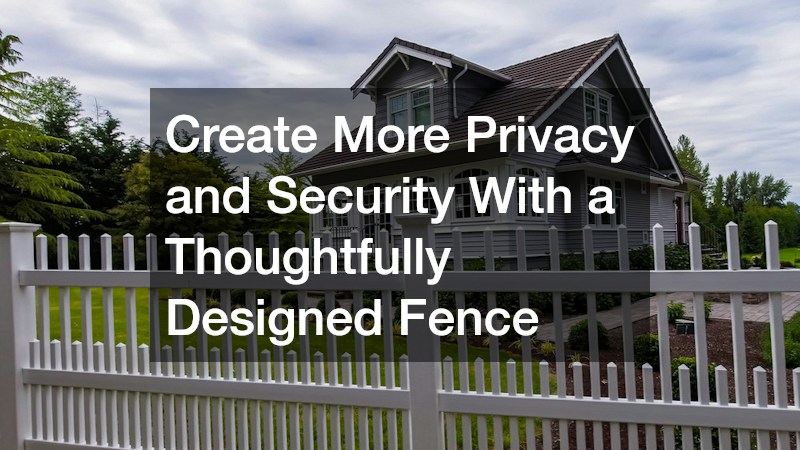
Installing a fence can significantly improve the privacy, safety, and overall functionality of your property. Whether you’re creating a secure play area for children, protecting pets, or establishing clear property boundaries, the right fence can make your outdoor space more comfortable.
Before choosing a design, consider the fence’s primary purpose. A decorative front-yard fence may require different materials and dimensions than a backyard privacy enclosure.
Several factors should influence your decision:
- Material selection: Wood provides a traditional appearance, while vinyl and aluminum typically require less ongoing maintenance.
- Fence height: Choose dimensions based on privacy needs, safety concerns, and local restrictions.
- Gate placement: Ensure convenient access for lawn equipment, deliveries, and everyday activities.
- Property boundaries: Verify boundary lines before installing posts or permanent structures.
- Design coordination: Select colors and styles that complement your home’s exterior.
Professional fence installation services can help ensure posts are properly positioned, gates operate smoothly, and materials are installed securely.
Homeowners should also check neighborhood regulations, permit requirements, and underground utility locations before construction begins.
Turn an Ordinary Backyard Into a Comfortable Outdoor Retreat
An underused backyard offers opportunities to create additional living space without expanding your home’s interior. With thoughtful planning, an ordinary lawn or patio can become a comfortable destination for entertaining guests, enjoying meals, or relaxing after a busy day.
The most successful outdoor spaces are designed around how homeowners actually intend to use them. Establishing functional areas can help prevent overcrowding while making the space more inviting.
Consider incorporating these improvements:
- Outdoor cooking areas: Add a built-in grill, preparation counters, or an outdoor kitchen for convenient entertaining.
- Comfortable seating: Create dedicated gathering areas with weather-resistant furniture and cushions.
- Shade structures: Install pergolas or covered seating areas to reduce direct sun exposure.
- Fire features: Consider a properly positioned fire pit or fireplace for cooler evenings.
- Outdoor lighting: Combine pathway, accent, and task lighting to improve nighttime usability.
Experienced luxury outdoor living space contractors can coordinate larger projects involving hardscaping, utilities, drainage, and multiple outdoor features.
Choose materials that complement your home’s architecture and withstand local weather conditions.
A thoughtfully designed backyard retreat can make outdoor gatherings more enjoyable while expanding the usable areas of your property.
Prepare for Major Renovations by Removing Clutter and Construction Debris
Preparing your property before beginning renovations is an important step that homeowners sometimes overlook. Old furniture, damaged building materials, unwanted belongings, and accumulated yard debris can interfere with construction and make work areas unnecessarily hazardous.
A thorough cleanup creates room for improvements while allowing homeowners to identify maintenance concerns that might otherwise remain hidden.
Before starting a major project, follow these preparation steps:
- Sort unwanted items: Separate belongings into categories for keeping, donating, recycling, and disposal.
- Estimate waste volume: Determine how much debris your renovation or cleanup project will produce.
- Protect surrounding surfaces: Cover driveways, landscaping, and nearby structures when necessary.
- Maintain clear pathways: Keep entrances, exits, and work zones free from unnecessary obstacles.
- Schedule disposal: Coordinate waste removal with demolition and construction activities.
For projects producing substantial debris, dumpster rental services can provide a convenient location for approved waste materials.
Before arranging delivery, ask about container sizes, weight restrictions, rental periods, and prohibited items. Certain materials may require separate disposal procedures.
Keep Your Lawn Healthy With a More Efficient Watering System

A healthy lawn and thriving landscape require consistent watering, but manually maintaining the right moisture levels can be challenging. Uneven watering may create dry patches, stressed plants, or soggy areas that encourage disease and unnecessary water consumption.
An efficient irrigation system can help distribute water more consistently while reducing the time homeowners spend managing their landscapes.
Consider these improvements when evaluating your watering needs:
- Create watering zones: Separate lawns, flower beds, and shrubs according to their moisture requirements.
- Install smart controls: Use weather-responsive controllers to adjust watering schedules based on conditions.
- Check sprinkler coverage: Prevent water from repeatedly spraying sidewalks, driveways, or exterior walls.
- Monitor soil moisture: Avoid watering when the ground already contains sufficient moisture.
- Inspect for leaks: Repair damaged sprinkler heads, pipes, and connections promptly.
Professional sprinkler services can help homeowners design efficient irrigation layouts, identify system problems, and perform seasonal maintenance.
It’s also important to consider local watering restrictions and seasonal rainfall when establishing irrigation schedules.
A properly maintained watering system can support healthier landscaping, reduce unnecessary water waste, and simplify routine property maintenance.
Improve Safety and Curb Appeal by Maintaining Mature Trees
Mature trees contribute shade, privacy, and natural beauty to residential properties. However, neglected trees can develop hazardous branches, structural weaknesses, and excessive growth that threatens nearby buildings or interferes with outdoor spaces.
Regular tree maintenance helps preserve healthy growth while reducing the likelihood of property damage. Homeowners should pay particular attention to trees located near roofs, driveways, walkways, and utility lines.
Important maintenance practices include:
- Remove dead branches: Identify limbs that are broken, diseased, or no longer producing healthy growth.
- Maintain clearance: Prevent branches from rubbing against roofing materials or obstructing walkways.
- Inspect tree health: Look for fungal growth, significant cracks, or unusual changes in foliage.
- Avoid excessive pruning: Removing too much healthy growth can weaken trees and affect future development.
- Consider seasonal timing: Schedule pruning according to the species and its growth cycle.
Qualified tree trimming services can evaluate potentially hazardous limbs and recommend appropriate pruning techniques.
Large branches, elevated work, and trees near electrical lines require specialized equipment and professional expertise.
Consistent maintenance can help preserve valuable shade, improve the appearance of your landscape, and reduce preventable safety concerns.
Expand Your Outdoor Entertaining Space With a Functional Deck
Adding a deck can transform an ordinary backyard into a welcoming area for outdoor dining, relaxation, and family gatherings. A thoughtfully designed deck also creates a convenient connection between indoor living areas and the surrounding landscape.
Before construction begins, homeowners should determine how they plan to use the space. A deck designed for quiet relaxation may require a different layout than one intended for frequent entertaining.
Keep these considerations in mind:
- Choose appropriate materials: Compare pressure-treated lumber, composite decking, and PVC based on durability, maintenance, and cost.
- Plan adequate space: Allow enough room for furniture, walking paths, and comfortable movement.
- Include practical features: Consider built-in seating, lighting, railings, and shade structures.
- Evaluate drainage: Ensure water moves away from the house and supporting structures.
- Review maintenance needs: Understand cleaning, sealing, and inspection requirements before selecting materials.
Experienced local deck contractors can help evaluate structural support, footing requirements, permits, and applicable building codes.
Homeowners should also consider sun exposure, privacy, and how the deck connects with existing landscaping.
A properly constructed deck can provide years of outdoor enjoyment while improving the property’s overall functionality.
Enjoy the Outdoors With a Comfortable, Bug-Free Screened Patio
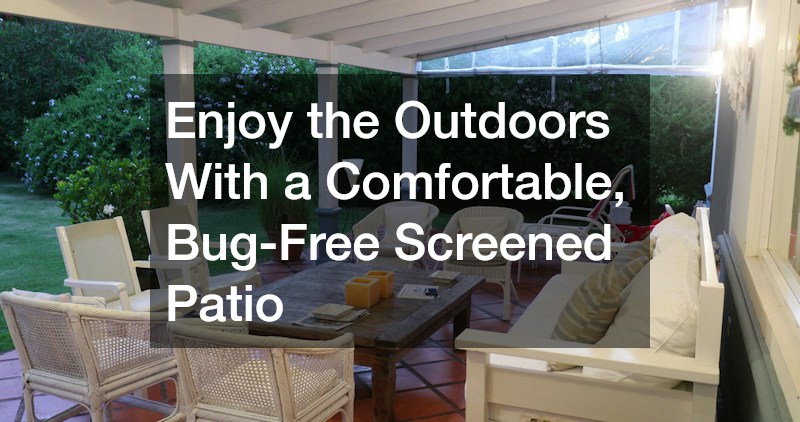
Outdoor living areas can become difficult to enjoy when insects, excessive sunlight, or falling debris interfere with relaxation. Adding a screened enclosure can make an existing patio more comfortable while preserving the fresh air and outdoor atmosphere homeowners appreciate.
A successful enclosure should complement the home’s architecture while providing adequate ventilation, convenient access, and protection from common outdoor nuisances.
Consider these design features when planning your project:
- Durable screening: Choose materials that provide visibility, airflow, and resistance to everyday wear.
- Comfortable airflow: Incorporate ceiling fans or other ventilation features to improve comfort.
- Practical lighting: Add fixtures suitable for outdoor environments and evening activities.
- Weather-resistant furnishings: Select seating and accessories designed to withstand humidity and temperature changes.
- Convenient entrances: Position doors to provide easy access to surrounding outdoor areas.
Well-designed custom screen patios can accommodate different property layouts, architectural styles, and household needs.
Before construction, evaluate the existing foundation, roof support, drainage, and local permit requirements.
A thoughtfully planned screened patio can provide a comfortable place for dining, entertaining, or relaxing while reducing exposure to insects and outdoor debris.
Create a Property You’ll Love for Years to Come
Transforming your property is about more than improving its appearance. The right projects can make outdoor spaces more functional, protect important structural components, and create a more comfortable environment for everyday living. From refreshing exterior surfaces to improving landscaping and adding inviting gathering areas, thoughtful upgrades can make a lasting difference.
Before beginning, take time to evaluate your property’s condition and identify improvements that address your most important needs. Prioritize safety concerns and necessary maintenance before investing in decorative features. Establish a realistic budget, research materials, and seek qualified professional assistance when projects require specialized expertise.