Every homeowner runs into problems over time, whether it’s due to wear and tear or changing family needs. Common issues such as drafty rooms, outdated systems, water damage, or poor layouts can significantly affect comfort, energy efficiency, and daily life. These challenges often feel overwhelming at first, especially for those who are unsure where to begin. However, they’re usually indicators of clear opportunities for improvement that can enhance both the functionality and aesthetic of the home.
Smart renovations focus on addressing root problems rather than just applying temporary patches or cosmetic fixes. For instance, if you find that certain rooms are constantly colder than others, rather than just layering on more blankets, it may be worth investigating insulation, windows, or even heating systems. Upgrades that tackle these underlying issues can result in a home that is more energy-efficient, safer, and ultimately easier to live in.
The first step in any renovation journey is understanding which problems to prioritize. Some common issues include aging plumbing and electrical systems, which, if left unaddressed, can lead to significant damage and hazardous situations. Additionally, homes with outdated layouts may not accommodate a modern lifestyle, making them inconvenient for daily activities.
Moreover, water damage can create both unsightly stains and structural integrity issues, leading to mold growth and health concerns if not dealt with promptly. Addressing these problems not only improves the quality of life but can also raise property values by keeping the home in top condition.
With the right approach, homeowners can transform their living spaces into havens of comfort. The key is knowing how different upgrades interconnect — for example, choosing energy-efficient appliances can complement a home’s upgraded insulation, resulting in even lower energy bills. Roaming through the possibilities, this guide walks through common home challenges and demonstrates how thoughtful updates can turn them into long-term solutions that enhance both safety and satisfaction in the home environment. By prioritizing these upgrades, homeowners can ensure that their homes serve them well for years to come.
Identifying Structural and Foundation Concerns Early
Some of the most serious home issues begin below the surface. Cracks in walls, uneven floors, or water pooling around the foundation often signal deeper structural concerns. Ignoring these signs can lead to expensive repairs later.
A strong starting point is evaluating how water flows around the property. Poor drainage puts pressure on the foundation and can lead to shifting or settling.
Working with a local grading contractor helps correct slope issues and directs water away from the home. This step protects the structure and prevents long-term damage.
For more advanced fixes, residential concrete pumping services can stabilize weak areas or fill voids beneath slabs. This process strengthens the foundation without requiring a full rebuild.
Key actions to consider:
- Regrading the yard to improve drainage
- Filling foundation gaps or voids
- Sealing visible cracks early
- Inspecting basement walls for moisture
Taking the time to evaluate soil conditions can also prevent recurring issues. Expansive soils, common in many regions, shift with moisture changes and place stress on foundations. Addressing these concerns early gives homeowners more control over long-term stability and reduces the likelihood of structural surprises.
Fixing Roof Problems Before They Spread
Roof damage often starts small but grows quickly. Missing shingles, leaks, or poor ventilation can lead to mold, insulation damage, and higher energy costs.
Many homeowners wait too long before taking action, which allows minor issues to turn into major repairs. Regular inspections help catch problems early.
Professional roofing services can repair damaged areas or replace aging materials before leaks spread. A strong roof protects everything underneath it, making it one of the most important upgrades to prioritize.
Signs that should not be ignored:
- Water stains on ceilings
- Shingles curling or missing
- Sagging roof lines
- Increased indoor humidity
Ventilation also plays a major role in roof health. Without proper airflow, heat and moisture build up in the attic, which shortens the lifespan of roofing materials. Adding ridge vents or improving attic insulation helps maintain a balanced environment and supports long-term durability.
Upgrading Outdated Plumbing Systems
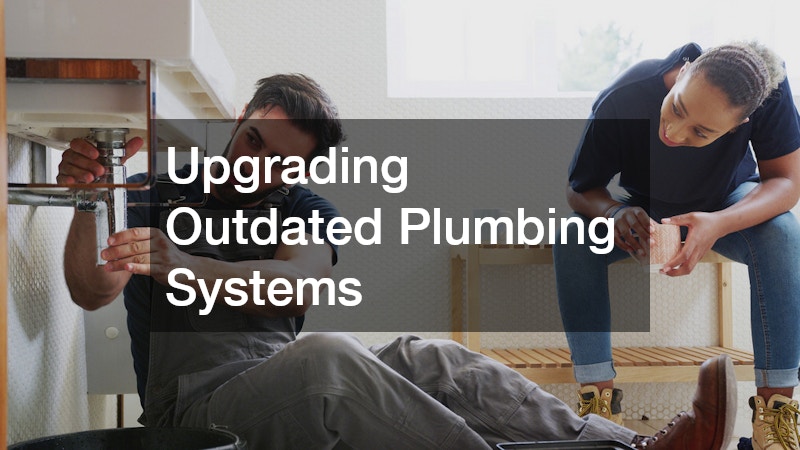
Older plumbing systems often struggle to meet modern demands. Low water pressure, frequent leaks, and outdated pipes can disrupt daily routines and cause hidden damage.
Replacing worn components improves both efficiency and reliability. A professional plumbing service can identify weak points and recommend targeted upgrades.
In many cases, updating plumbing also helps reduce water waste and lowers utility bills.
Common improvements include:
- Replacing old pipes with modern materials
- Installing water-efficient fixtures
- Repairing hidden leaks behind walls
- Upgrading water heaters for better performance
Another valuable upgrade involves installing shut-off valves in key areas. These allow homeowners to quickly stop water flow during emergencies, limiting damage and repair costs. Smart leak detection systems can also alert homeowners to issues before they become serious.
Improving Electrical Safety and Capacity
Electrical systems are often overlooked until problems appear. Flickering lights, overloaded circuits, or outdated panels can create safety risks.
Modern homes rely on more power than older systems were designed to handle. Upgrading the electrical setup helps prevent outages and reduces fire hazards.
Hiring an experienced electrical contractor allows for a full evaluation of the system. They can upgrade panels, add circuits, and improve overall safety.
Important upgrades to consider:
- Replacing outdated wiring
- Installing additional outlets
- Upgrading circuit breakers
- Adding surge protection
It may also be worth considering future needs. Electric vehicle chargers, home offices, and smart appliances all require additional capacity. Planning for these upgrades now can prevent the need for another major electrical project later.
Enhancing Comfort With Better Climate Control
Uneven temperatures, high energy bills, and poor air quality often point to an inefficient heating and cooling system. These issues affect comfort year-round.
A reliable HVAC Service can evaluate system performance and recommend upgrades. This may include replacing old equipment, sealing ductwork, or improving insulation.
Small changes can make a noticeable difference in daily comfort.
Ways to improve climate control:
- Upgrade to energy-efficient systems
- Seal air leaks around windows and doors
- Install programmable thermostats
- Clean and maintain ductwork
Air quality should not be overlooked. Adding filtration systems or air purifiers can reduce allergens and improve overall health. Balanced humidity levels also prevent issues like mold growth or dry indoor air during colder months.
Creating Safer Living Spaces Below Ground
Basements often present unique challenges. Poor lighting, limited ventilation, and a lack of emergency exits can make these spaces unsafe.
Adding proper access points improves both safety and usability. An egress window replacement service creates a safe exit while bringing in natural light.
This upgrade can also increase property value by turning a basement into a functional living area.
Benefits of improving basement spaces:
- Increased natural light
- Improved emergency access
- Better ventilation
- More usable square footage
Transforming the basement adds flexibility while meeting safety standards.
Understanding Common Home Problems
1. Drafty Rooms: Many homeowners experience cold spots in their homes, often due to poor insulation, old windows, or gaps in seals around doors. These drafts can make it difficult to maintain a comfortable temperature, leading to increased heating costs during colder months. Identifying and sealing these gaps, along with upgrading to energy-efficient windows, can greatly improve indoor comfort and save on energy bills.
2. Outdated Systems: Homes built decades ago may still rely on outdated plumbing, wiring, and HVAC systems. Old plumbing can lead to inefficiencies or worse, leaks that cause water damage. Electrical systems may not support modern appliances, and aging heating or cooling systems can struggle to keep up with current demands. Upgrading these systems ensures safety and efficiency, reducing the risk of emergencies in the long run.
3. Water Damage: Water damage can be a significant concern, often hidden behind walls or under flooring. Issues like leaky roofs, faulty gutters, or poorly graded yards can lead to mold growth, which poses health risks to inhabitants. Addressing the source of this water intrusion—be it through roof repairs, improved drainage, or installing sump pumps—can prevent extensive damage and expensive repairs down the line.
4. Poor Layouts: As families grow and lifestyles change, the original layouts of homes may no longer serve their inhabitants effectively. Closed-off spaces can create a sense of confinement, while poorly positioned rooms may not maximize natural light. Thoughtful renovations, like moving a non-load-bearing wall or creating an open-concept layout, can enhance both functionality and flow, making living spaces feel larger and more welcoming.
The Smart Renovation Approach
Smart renovations prioritize fixing root problems instead of applying temporary patches. It’s about taking a strategic approach to home improvement. For instance, rather than simply repainting a room with peeling paint due to moisture issues, it’s essential to address the source of the dampness. This might involve improving ventilation or fixing leaks before applying a fresh coat of paint to truly refresh the space.
When considering renovations, homeowners should think about their priorities and how upgrades can work together. For example, investing in high-efficiency appliances may be more beneficial if done concurrently with insulation improvements. These combined upgrades create a more harmonious environment, where advancements contribute collectively to energy savings and comfort.
Navigating the Renovation Process
To tackle these issues effectively, it’s beneficial to create a detailed plan. Begin by conducting a thorough assessment of your home, ideally with the help of professionals. This will help identify critical issues and prioritize them based on urgency and budget.
1. Consult Professionals: Engaging with architects, contractors, and designers can provide valuable insights into what’s feasible and what impacts proposed changes may have on your home.
2. Set a Budget: Decide on a budget for the renovations and allocate funds to prioritize essential repairs over cosmetic improvements. This ensures that foundational issues are addressed first.
3. Evaluate Return on Investment (ROI): Some upgrades not only improve comfort but also add value to your home. For instance, kitchen and bathroom remodels often yield high returns when it comes time to sell. Research and choose upgrades that align with both comfort needs and potential market trends.
4. Plan for Disruption: Renovations can disrupt daily life, so planning timelines and prepping for temporary inconveniences can help ease the transition.
This guide walks through these common home challenges and suggests how thoughtful updates can not only resolve issues but also turn them into long-term solutions. By taking a proactive approach and investing in smart renovations, homeowners can transform their living spaces into havens of comfort, safety, and efficiency, ensuring their homes are conducive to their lifestyles for years to come.
Improving Outdoor Living and Protection

Outdoor spaces should feel like an extension of the home. However, exposure to insects, weather, and debris can limit how often these areas are used.
Adding a local outdoor screen enclosure creates a protected environment without blocking fresh air. This allows homeowners to enjoy patios and decks more often.
At the same time, working with a stone service can improve walkways, patios, or retaining walls. These upgrades add durability and visual appeal.
Outdoor improvements to consider:
- Screened-in patios or porches
- Stone pathways and seating areas
- Retaining walls for better landscape control
- Outdoor dining or relaxation spaces
Lighting also plays a role in usability. Adding pathway lights or overhead fixtures extends the time these spaces can be used and improves safety after dark.
Addressing Layout and Space Limitations
Many homes feel cramped or inefficient due to outdated layouts. Small kitchens, closed-off rooms, or a lack of storage can affect daily life.
Working with a home remodeling company allows homeowners to rethink how space is used. Opening up floor plans or reconfiguring rooms can create a more practical layout.
The goal is to improve flow and functionality without unnecessary expansion.
Smart layout improvements include:
- Removing non-load-bearing walls
- Expanding kitchens or living areas
- Adding built-in storage
- Creating multi-purpose rooms
Natural light should also be part of the plan. Enlarging windows or adjusting room layouts can make spaces feel larger and more inviting without increasing square footage.
Preventing Water Damage With Smart Upgrades
Water damage is one of the most common and costly home issues. It often starts with small leaks or poor drainage and grows over time.
Combining proper plumbing service upgrades with effective roofing services helps prevent water from entering the home in the first place.
A proactive approach reduces repair costs and protects the structure.
Steps to prevent water damage:
- Inspect roofs and gutters regularly
- Repair leaks immediately
- Improve drainage around the home
- Install moisture barriers where needed
Gutter guards and downspout extensions are simple additions that make a big difference. These features keep water moving away from the home and reduce the risk of buildup near the foundation.
Coordinating Renovations for Long-Term Results
One of the biggest mistakes homeowners make is handling upgrades one at a time without a clear plan. This often leads to repeated work and higher costs.
Coordinating projects allows different systems to work together. For example, improving electrical systems while updating HVAC Service ensures everything runs efficiently.
A well-planned renovation strategy also helps avoid disruptions and keeps projects on schedule.
Tips for better planning:
- Prioritize urgent repairs first
- Group related upgrades together
- Set a realistic budget and timeline
- Work with experienced professionals
It also helps to schedule regular inspections after major upgrades. This keeps systems running properly and helps homeowners catch small issues before they turn into larger problems.
Proactive Home Care: The Key to Lasting Comfort and Value
Home issues rarely solve themselves. Small problems tend to grow, affecting comfort, safety, and overall value. Taking a proactive approach allows homeowners to fix concerns before they become overwhelming.
Smart renovations focus on long-term results. Each upgrade should solve a problem while improving how the home functions day to day. With thoughtful planning and the right support, any house can become more reliable, efficient, and enjoyable to live in.