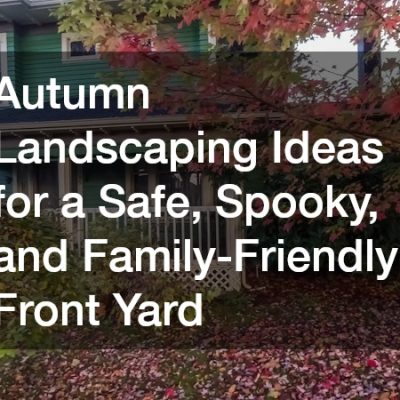
A polished outdoor space can make a home feel more inviting while creating an area where homeowners can relax, entertain, and spend time with family and friends. Achieving that finished appearance involves more than choosing attractive plants or adding a few decorative features. The most cohesive yards typically combine practical improvements with thoughtful design choices, creating an environment where each feature complements the others.
Whether the goal is a simple refresh or a more comprehensive outdoor transformation, homeowners have many options for improving their properties. From professional planning and plant selection to patios, fencing, and outdoor amenities, each improvement can contribute to a more organized and inviting space.
Work With Professionals to Shape Your Vision

Creating a polished yard can involve several different types of work, particularly when homeowners are planning multiple improvements at once. Professional assistance can help coordinate these projects so that the finished outdoor space has a cohesive appearance and functions as intended.
Landscaping contractors can help homeowners develop outdoor plans based on the property’s existing features, available space, and intended uses. Professional planning may be especially useful when a project involves grading, drainage, planting areas, walkways, patios, or other structural elements.
A professional can also help homeowners determine which improvements should be completed first. For example, major grading or construction work may need to happen before planting beds are installed. Similarly, irrigation adjustments may be necessary after the layout of the yard changes.
When discussing a project, homeowners should communicate how they want to use the space. A family that regularly entertains guests may have different priorities from someone who primarily wants a quiet garden. Sharing these goals can help guide decisions about seating areas, pathways, planting arrangements, and other features.
It can also be helpful to think about the property’s appearance from different viewpoints. Features visible from the street may have a different design purpose than those located behind the home. Considering how the yard looks from inside the house, from outdoor seating areas, and from the property entrance can help create a consistent visual experience.
Select Plants That Suit Your Outdoor Space
Plants can bring color, texture, and natural character to an outdoor area. However, selecting plants based solely on appearance can create maintenance challenges if they are not suited to the property’s conditions.
A landscape nursery can provide access to plants selected for different growing environments and landscape applications. Homeowners can consider factors such as sunlight, soil conditions, available space, moisture levels, and mature plant size when choosing greenery for their yards.
Plant placement is equally important. Taller plants can provide a backdrop for shorter flowers and ground covers, while shrubs can help define boundaries or create transitions between different areas. Trees can provide shade and structure, but they should be positioned with their eventual size in mind.
A polished landscape often benefits from repetition. Using similar plants or complementary colors in several areas can create visual continuity. At the same time, incorporating differences in height, texture, and seasonal interest can prevent the landscape from becoming monotonous.
Homeowners should also consider maintenance requirements. Some plants may need frequent pruning or seasonal care, while others may require less attention once established. Selecting plants that fit the available maintenance routine can help the landscape remain attractive over time.
Choose Materials That Complement Your Design
Hardscape materials, decorative features, and other outdoor elements can influence the overall character of a yard. Choosing materials that work together can help create a more intentional appearance.
Landscaping products may include materials for planting beds, walkways, edging, decorative areas, and other outdoor improvements. Before purchasing products, homeowners should consider how each material will interact with existing features around the property.
Color is one factor to consider. Materials that coordinate with the home’s siding, roofing, brick, stone, or other exterior elements can help connect the yard to the house. Neutral materials may provide flexibility, while carefully selected accent materials can add visual interest.
Texture can also make a difference. Smooth surfaces may create a more contemporary appearance, while natural stone and textured materials can provide a more organic look. Combining too many unrelated textures can make a space feel busy, so selecting a manageable combination can help maintain visual balance.
The practical characteristics of each material should also be considered. Outdoor products are exposed to weather, moisture, temperature changes, and regular use. Homeowners should select materials appropriate for their intended application and understand the maintenance they require.
Planning material choices before beginning construction or installation can also help avoid mismatched additions. If future improvements are likely, choosing materials that can be incorporated into later projects may make it easier to maintain a consistent look.
Keep Your Outdoor Areas Properly Watered
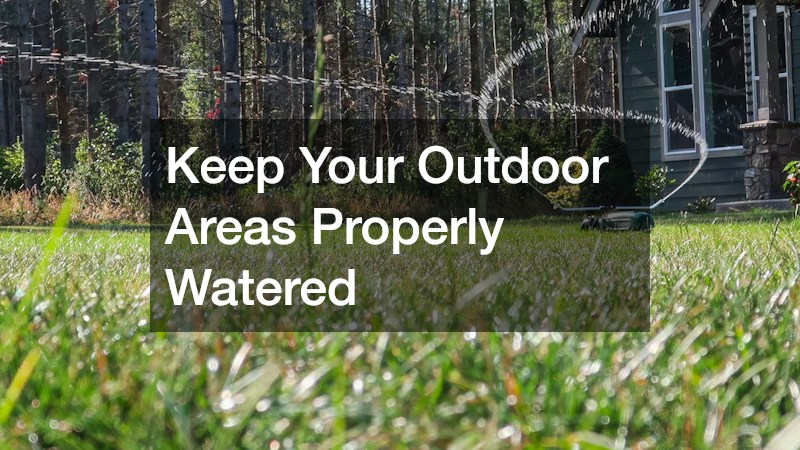
Water management plays an important part in maintaining an attractive landscape. Plants and lawns need adequate moisture, but watering too much or too little can create problems. A properly planned irrigation system can help distribute water more consistently throughout the property.
An irrigation service can inspect existing equipment and identify problems that may affect coverage. Sprinkler heads can become clogged, damaged, or misaligned, causing some areas to receive too much water while others remain dry.
Homeowners can also observe irrigation systems while they operate. Water spraying onto sidewalks, driveways, or structures may indicate that adjustments are needed. Leaks or unusually wet areas can also point to equipment problems.
New landscaping can change the way water needs to be distributed. Adding planting beds, trees, or hardscaping may require adjustments to existing irrigation zones. Addressing these changes can help prevent newly installed features from interfering with watering patterns.
Seasonal maintenance is another consideration. Irrigation equipment may need to be inspected before periods of heavy use and prepared for colder weather where freezing temperatures occur. Following the manufacturer’s recommendations and local maintenance practices can help protect the system.
Efficient watering can contribute to a healthier-looking yard while reducing unnecessary water use. Homeowners should consider the specific needs of their plants, lawn, soil, and climate when determining watering practices.
Maintain Trees for a Neat and Refined Appearance
Trees can serve as focal points in a landscape, provide shade, and add visual structure. However, unmanaged growth can make an otherwise carefully maintained yard look overgrown. Regular tree care can help preserve a clean and organized appearance.
A tree trimming service can evaluate branches and perform appropriate pruning based on the tree’s condition, species, location, and growth pattern. Removing selected branches may help improve the tree’s structure while addressing dead, damaged, or problematic growth.
Trees near homes, driveways, walkways, and outdoor living areas may require particular attention. Branches that grow too close to structures can interfere with roofs, siding, gutters, or other features. Limbs extending over frequently used areas may also need to be evaluated.
Timing can vary based on the tree species and the reason for pruning. Some trees may have specific seasonal considerations, so homeowners should avoid applying the same pruning approach to every tree.
Maintaining trees can also help integrate them with other landscaping improvements. Carefully managed trees can frame a patio, complement a planting bed, or provide shade near an outdoor seating area. Their natural form can add dimension without making the landscape feel cluttered.
Homeowners should avoid removing substantial amounts of growth simply to change a tree’s shape. Proper pruning practices can help protect the tree while supporting the desired appearance of the landscape.
Evaluate Tree Health and Safety
Tree maintenance is not limited to appearance. Trees should also be evaluated for signs of structural problems, disease, decay, or damage that could affect their condition and surrounding property.
An arborist has specialized knowledge of trees and can assess concerns that may not be obvious to a homeowner. Professional evaluation may be appropriate when a tree has substantial dead branches, visible decay, storm damage, unusual growth, or other concerning characteristics.
Location matters when evaluating a tree. A tree growing close to a home, utility line, driveway, or frequently used outdoor area may have greater consequences if a branch or part of the tree fails. The surrounding environment should therefore be considered along with the tree itself.
Storms can create additional concerns. Broken limbs, split branches, exposed roots, and damaged trunks may require prompt evaluation after severe weather. Homeowners should avoid attempting to handle large or unstable branches themselves.
Professional tree assessments can also help homeowners determine whether a tree should be pruned, monitored, or considered for removal. Not every damaged or unhealthy-looking tree necessarily needs to be removed. The condition, structure, species, location, and potential risks should all be considered.
Taking care of tree concerns as they arise can also help preserve the appearance of the broader landscape. Healthy, appropriately maintained trees can remain attractive focal points while fitting naturally into the overall design.
Add Relaxation With a Backyard Retreat
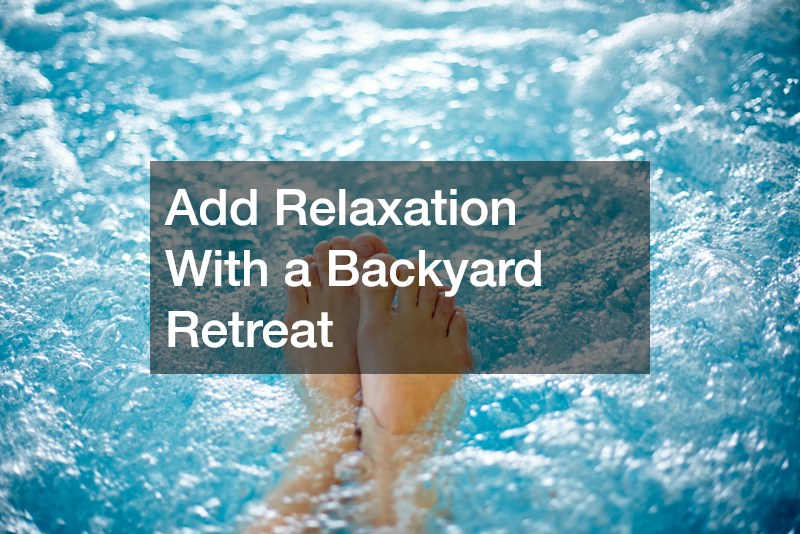
Outdoor living areas can make a yard more useful by creating dedicated spaces for relaxation. A hot tub can become a focal point for an outdoor retreat, particularly when it is incorporated into the surrounding landscape rather than treated as a standalone feature.
A hot tub company can help homeowners consider equipment options, placement, access, and installation requirements. The location should provide convenient access from the home while leaving enough room for surrounding features and maintenance.
Privacy can also influence placement. Fencing, screening plants, walls, or strategically positioned structures may create a more secluded atmosphere. However, these additions should be planned carefully so they do not interfere with access, ventilation, or maintenance.
The surrounding area can be designed to support the intended experience. A nearby patio can provide space for chairs or tables, while appropriate lighting can make the area more usable in the evening. Plants can soften hard edges and connect the retreat to the rest of the yard.
Safety and accessibility should remain important considerations. Homeowners should follow the manufacturer’s installation and maintenance requirements and consider electrical, drainage, and structural needs before selecting a location.
Add Safety Around Your Pool Area
A pool can be a major feature of an outdoor space, but safety considerations should be incorporated into the surrounding design. A well-planned barrier can help separate the pool area from other parts of the property while contributing to the yard’s appearance.
A pool fence can provide a defined boundary around the pool and may be required by local regulations depending on the location. Homeowners should check applicable requirements before selecting a design, as regulations can address factors such as height, openings, gates, and placement.
The appearance of the barrier can also be coordinated with the rest of the landscape. Different materials and styles can create varying visual effects, from open designs that preserve visibility to more private options that create a stronger separation.
Access points deserve particular attention. Gates should be positioned conveniently while meeting applicable safety requirements. Homeowners should also keep the area around gates and other access points clear of unnecessary obstacles.
Landscaping around a pool should be selected with the environment in mind. Plants that shed heavily may increase cleaning demands, while certain materials may be better suited to wet areas. Planning the surrounding landscape carefully can help maintain both appearance and functionality.
Define Your Property With a Well-Planned Boundary
Fencing can define property lines, create privacy, protect specific areas, and provide structure within a yard. Because fencing is often visible from multiple viewpoints, its design can have a significant effect on the overall appearance of an outdoor space.
A fence contractor can help homeowners consider the appropriate material, height, placement, and design for the project. The intended purpose of the fence should guide these decisions. A boundary intended primarily for visual definition may have different requirements from one intended to provide substantial privacy.
Property lines should be confirmed before construction begins. Homeowners may also need to consider local regulations, easements, utility locations, and access requirements.
The fence should complement the home’s exterior and other landscape features. Coordinating colors and materials can help it feel like part of the overall property rather than an unrelated addition.
Fencing can also be used to divide a yard into functional areas. A separate space for pets, a garden, pool area, or outdoor living space can make a large property easier to organize. Strategic placement can provide separation without making the entire yard feel enclosed.
Maintenance should be considered when selecting a fencing material. Different materials have different cleaning, painting, staining, and repair requirements. Choosing an option that fits the property’s conditions and the homeowner’s maintenance preferences can help preserve the finished appearance.
Create a Durable Foundation for Outdoor Living
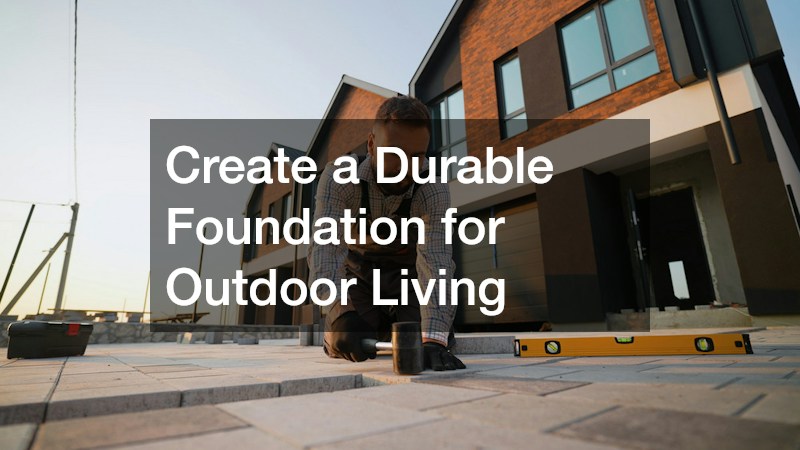
A concrete patio can provide a durable surface for outdoor furniture, dining, entertaining, and other activities. When properly planned, it can also serve as a visual connection between the house and the rest of the landscape.
A concrete patio contractor can help homeowners determine the appropriate size, shape, placement, and finish for a patio project. The layout should account for how the area will be used and how much room is needed for furniture and movement.
The patio’s relationship to the home is important. A location near an existing door may make the space convenient for outdoor dining or entertaining. The surrounding landscape should also be considered so that the patio connects naturally with pathways, planting beds, lawns, and other outdoor areas.
Drainage is another important consideration. The patio should be planned so that water does not collect against the home or create problems elsewhere in the yard. Proper preparation and installation can contribute to the long-term performance of the surface.
Homeowners can also consider finishes and design details that complement the property’s existing style. Decorative treatments, borders, or carefully planned shapes can add visual interest while maintaining the practical benefits of a concrete surface.
Furniture and landscaping can complete the area after installation. Comfortable seating, planters, lighting, and shade features can make the patio feel like an intentional extension of the home’s living space rather than simply a paved area.
Ultimately, a polished outdoor space should reflect the way the property is used. With a clear plan and attention to both visual details and practical requirements, homeowners can transform an ordinary yard into an organized, comfortable, and inviting extension of the home. Regular maintenance can then help preserve the appearance and function of those improvements for years to come.