
Protecting Your Home Starts at the Top
A home’s roof does much more than improve curb appeal. It acts as the first line of defense against rain, snow, humidity, wind, and fluctuating temperatures. When even a minor roofing issue goes unnoticed, moisture can slowly seep into vulnerable areas of the home and create expensive structural problems over time. Many homeowners do not realize how quickly small leaks can spread through insulation, drywall, ceilings, flooring, and support beams until the damage becomes severe.
Preventing moisture-related problems requires more than reacting after stains appear on ceilings. It involves routine inspections, strategic maintenance, proper drainage, and working with experienced professionals who understand how to identify weak points before they become emergencies. Taking preventative steps early can save homeowners thousands of dollars in future repair costs while extending the lifespan of the entire roofing system.
Below are practical ways professionals help homeowners avoid costly repairs and maintain a safer, stronger, and more reliable home exterior.
Schedule Routine Inspections Before Small Problems Spread
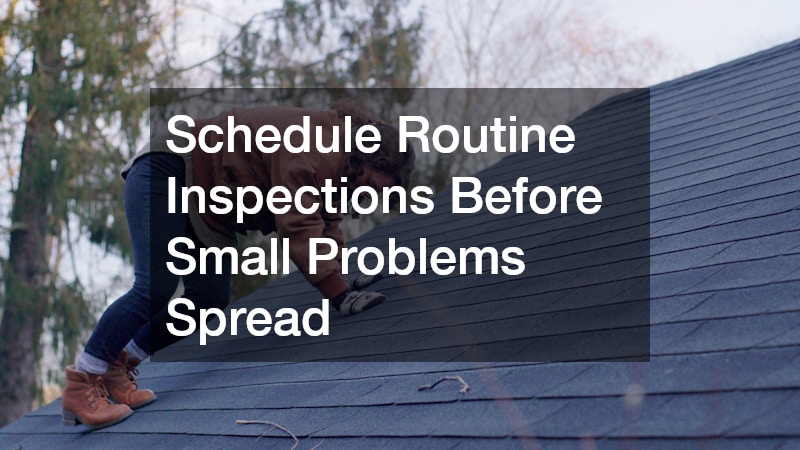
One of the most effective ways roofing contractors help homeowners avoid major repairs is through regular inspections. Many roofing problems begin in areas that are difficult to see from the ground. Cracked flashing, lifted shingles, deteriorating sealants, and clogged drainage systems can all allow moisture to enter the home slowly over time.
Routine inspections help identify these warning signs before they result in widespread water damage. During an inspection, professionals examine vulnerable roof sections, attic spaces, vents, valleys, skylights, and drainage components to ensure everything remains sealed and functioning properly. They also check for signs of sagging, trapped moisture, mold growth, and hidden structural concerns.
Seasonal inspections are especially important after major storms, high winds, hail, or heavy snowfall. Even if a roof appears fine from the outside, storm activity can weaken materials in ways homeowners may not immediately notice. By scheduling inspections twice per year, homeowners can address minor concerns while repairs remain affordable and manageable.
Professionals also provide valuable maintenance recommendations tailored to the home’s age, roofing material, and climate conditions. Preventative care plans help reduce the likelihood of sudden emergencies and improve the long-term durability of the entire structure.
Replace Damaged Materials Before Leaks Develop
Shingles and roofing materials naturally deteriorate over time due to exposure to sunlight, rain, wind, and changing temperatures. Once protective materials begin cracking, curling, or loosening, moisture can work its way beneath the surface and compromise the underlying structure.
Prompt roofing replacement of damaged sections prevents small vulnerabilities from turning into widespread interior problems. Homeowners should watch for signs such as granule loss, missing shingles, dark spots, moss growth, or visible sagging. These warning signs often indicate that moisture has already begun affecting the roof system.
In some cases, isolated repairs may solve the issue temporarily. However, when deterioration becomes widespread or the roof approaches the end of its lifespan, a full roof replacement may provide a more cost-effective long-term solution. Replacing aging materials improves structural protection, increases energy efficiency, and helps prevent recurring moisture intrusion.
Waiting too long to replace compromised roofing components often results in additional repair costs involving ceilings, insulation, attic framing, drywall, and flooring. Early action minimizes these risks and helps homeowners avoid extensive restoration expenses later.
Professional evaluations also help homeowners determine whether their current roofing system still meets modern durability standards. Upgraded materials frequently offer better weather resistance, improved ventilation performance, and longer-lasting protection.
Maintain Drainage Systems to Direct Moisture Away
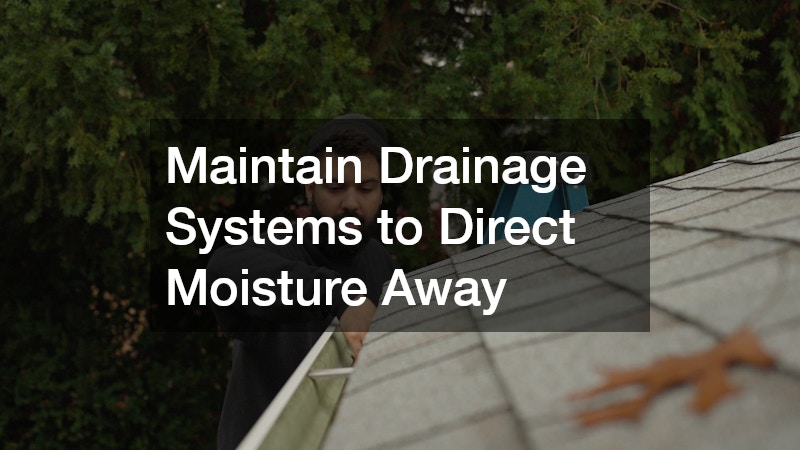
A roof’s drainage system plays a critical role in protecting the home from moisture intrusion. Gutters and downspouts are designed to channel rainwater away from the roof and foundation efficiently. When these systems become clogged or damaged, water can pool along the roofline and seep into vulnerable areas.
Professional roofing services often include gutter inspections, debris removal, drainage adjustments, and downspout evaluations. Leaves, twigs, dirt, and standing debris prevent water from flowing correctly and increase the risk of overflow during storms. Overflowing gutters can damage fascia boards, siding, windows, and landscaping while also allowing moisture to infiltrate the home.
Proper downspout placement is equally important. Water should drain far enough away from the foundation to prevent soil erosion and basement leaks. Professionals may recommend extensions, splash blocks, or drainage upgrades to improve runoff control around the property.
Homeowners should also pay attention to attic ventilation because poor airflow can contribute to condensation buildup beneath the roof. Excess humidity trapped inside the attic can weaken wood framing and insulation while encouraging mold growth. Balanced ventilation systems help regulate moisture levels and improve the overall efficiency of the home.
Consistent maintenance keeps drainage systems functioning properly year-round and reduces the likelihood of unexpected leaks during heavy rainfall.
Strengthen Vulnerable Areas Around Chimneys and Flashing
Roof penetrations are among the most common sources of leaks. Areas surrounding chimneys, vents, skylights, and flashing are especially vulnerable because they involve seams and transitions where moisture can enter more easily.
Installing a durable chimney cap is one of the simplest yet most effective ways to protect the home from unnecessary moisture exposure. Chimney caps prevent rainwater from entering the chimney structure while also blocking debris, animals, and nesting materials that may contribute to clogs and deterioration.
Flashing around chimneys must also remain secure and watertight. Over time, flashing materials can separate, rust, or loosen due to expansion and contraction caused by temperature fluctuations. Even small gaps allow water to penetrate the roofing system and spread into surrounding materials.
Homeowners should regularly inspect ceilings and walls near fireplaces for discoloration, peeling paint, or musty odors. These signs may indicate hidden moisture issues around chimney structures. Prompt repairs help prevent rotting wood, masonry deterioration, and mold development.
Professionals often recommend resealing vulnerable areas periodically to maintain proper protection. Addressing these weak points early significantly reduces the likelihood of extensive structural repairs later.
Apply Protective Coatings for Long-Term Defense
Roof coatings provide an additional layer of protection against moisture, sunlight, and environmental wear. Many property owners use local roof coatings to extend the lifespan of existing roofing materials and improve resistance to harsh weather conditions.
Protective coatings help seal minor surface imperfections that may otherwise allow moisture intrusion. They also reduce UV exposure, minimize heat absorption, and improve energy efficiency throughout the home. Reflective coatings are especially beneficial in regions with high temperatures because they help regulate indoor cooling demands.
Professionals carefully evaluate roofing materials before applying coatings to ensure compatibility and proper adhesion. Surfaces must be thoroughly cleaned and prepared to maximize performance and durability. When applied correctly, coatings can slow material deterioration and reduce the need for premature repairs.
Homeowners should understand that coatings are not always a substitute for structural repairs. If severe deterioration or widespread leaks already exist, additional restoration work may be necessary before coatings can provide effective protection.
Routine inspections remain important even after coatings are installed. Monitoring the roof regularly ensures small concerns are addressed before they compromise the protective barrier.
Work With Skilled Professionals Instead of Attempting DIY Repairs
Many homeowners attempt temporary roofing fixes themselves to save money. Unfortunately, improper repairs often create larger problems later. Roofing systems are complex, and even minor mistakes can allow hidden leaks to continue spreading unnoticed.
An experienced roof installer understands how roofing materials interact with ventilation systems, flashing, drainage components, and structural supports. Professionals use proper installation techniques and high-quality materials designed to withstand long-term environmental exposure.
DIY repairs frequently overlook underlying structural issues. A leak that appears small on the surface may originate from a completely different location higher on the roof. Without proper training and diagnostic experience, homeowners may only address visible symptoms instead of the root cause.
Hiring skilled residential roofers also improves safety. Roofing work involves significant fall risks, especially on steep slopes or during wet conditions. Professionals have the equipment, safety training, and experience necessary to complete repairs efficiently and safely.
In addition, reputable contractors typically provide workmanship warranties that protect homeowners if issues arise after repairs or installations are completed. This added peace of mind is difficult to achieve through do-it-yourself solutions.
Choosing experienced professionals ultimately helps homeowners avoid repeat repairs, hidden leaks, and unnecessary long-term expenses.
Evaluate Companies Carefully Before Hiring
Not all contractors provide the same level of expertise, communication, or workmanship quality. Taking time to evaluate roofing companies thoroughly helps homeowners avoid unreliable service and poor installation practices.
Start by researching local reviews, references, licensing information, and insurance coverage. Established contractors with strong reputations are more likely to deliver dependable results and stand behind their work. Homeowners should also request written estimates that clearly outline project details, material specifications, labor costs, timelines, and warranty coverage.
It is important to compare more than just pricing. Extremely low bids may indicate lower-quality materials, rushed labor, or incomplete project scopes. Investing in qualified professionals often prevents more expensive issues from developing later.
Homeowners should ask detailed questions about inspection procedures, cleanup processes, communication expectations, and repair recommendations. Transparent contractors are typically willing to explain their findings thoroughly and provide realistic guidance without unnecessary pressure.
Checking manufacturer certifications can also provide valuable insight into a contractor’s training and qualifications. Certified professionals often receive specialized instruction related to installation standards and advanced roofing systems.
Selecting the right contractor helps ensure the roofing project is completed correctly the first time.
Control Attic Moisture to Protect Structural Integrity
Attic spaces play a major role in overall roof health. Poor ventilation and trapped humidity can quietly damage roofing structures long before visible leaks appear indoors. Excess attic moisture contributes to mold growth, wood rot, insulation deterioration, and reduced energy efficiency.
Homeowners should watch for signs such as condensation, musty odors, frost buildup during winter, or unusually high energy bills. These indicators often suggest inadequate airflow or moisture accumulation within the attic.
In some situations, severe attic deterioration may eventually require partial roofing replacement to restore structural stability. Damaged decking, weakened supports, and compromised insulation can significantly reduce the roof’s effectiveness if left untreated.
Proper ventilation systems help regulate temperature and humidity levels throughout the year. Intake and exhaust vents work together to promote airflow and prevent trapped moisture from accumulating beneath roofing materials.
Professionals may also recommend insulation upgrades, vapor barriers, or additional ventilation improvements depending on the home’s layout and climate conditions. Addressing attic moisture proactively protects both the roofing system and the interior living environment.
Regular attic inspections allow homeowners to identify hidden problems early and maintain healthier indoor conditions overall.
Develop a Long-Term Maintenance Strategy
Preventative maintenance remains one of the smartest investments homeowners can make. A consistent care plan reduces emergency repair costs, extends roof lifespan, and improves overall property protection.
Experienced roofing contractors often help homeowners create customized maintenance schedules based on roof age, material type, local weather conditions, and surrounding environmental factors. Regular inspections, debris removal, drainage cleaning, and minor repairs help prevent deterioration from accelerating unnecessarily.
Professional roofing services may also include storm assessments, sealant maintenance, flashing evaluations, ventilation checks, and moisture monitoring. Addressing small concerns immediately prevents larger structural failures from developing over time.
Homeowners should maintain detailed records of inspections, repairs, warranties, and maintenance appointments. Organized documentation simplifies future repair decisions and may even support insurance claims if storm damage occurs.
Preparing the roof for seasonal weather changes is another important part of long-term care. Clearing debris before winter, checking drainage systems before rainy seasons, and monitoring tree growth around the property all contribute to better protection.
A proactive maintenance strategy helps homeowners preserve their investment while reducing stress associated with unexpected roofing emergencies.
A Strong Roof Creates a Safer Home
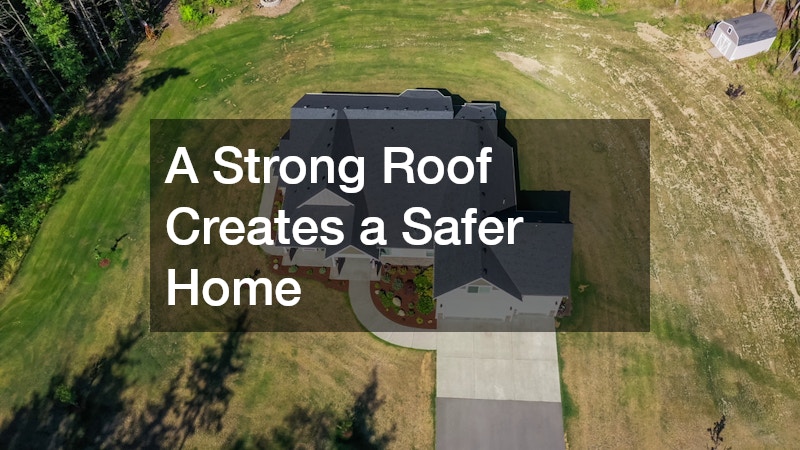
Protecting a home from moisture intrusion requires more than occasional repairs. Long-term success comes from preventative maintenance, professional inspections, quality workmanship, and early intervention when problems arise. Small roofing concerns can quickly escalate into expensive structural damage if they are ignored for too long.
Homeowners who invest in proper care, regular evaluations, and trusted professional support are far more likely to avoid major repair costs in the future. By staying proactive and addressing vulnerabilities early, it becomes possible to extend roof lifespan, improve energy efficiency, and maintain a safer, healthier living environment for years to come.